9/26/08
Homework: POST ON YOUR BLOGS
The following links to a synopsis of Shakespeare's Othello. Please read Carefully and do the following:
Sort by Acts and Scenes:
Act I, Scene I
Exposition:
Rising Action:
Climax: Is when Brabantio enter Desdemona's bedchamber to check if she is there.
Falling Action:
Denouement:
Resolution:
Settings: Night in Venice.
Characters: Roderigo, Iago, Brabantio.
Conflicts:
Possible Drama Terms mentioned or you predict is in these acts:
Act I, Scene II
Exposition:
Rising Action:
Climax:
Falling Action:
Denouement:
Resolution:
Settings:
Characters: Cassio, Roderigo, Brabantio, Othello and his attendent.
Conflicts:
Possible Drama Terms mentioned or you predict is in these acts:
Act I, Scene III
Exposition:
Rising Action:
Climax:
Falling Action:
Denouement:
Resolution:
Settings:
Characters: Othello, Brabantio, Desdemona, Iago, The Duke and his senator.
Conflicts:
Possible Drama Terms mentioned or you predict is in these acts:
Act II, Scene I
Exposition:
Rising Action:
Climax:
Falling Action:
Denouement:
Resolution:
Settings: Cyprus
Characters: Othello, Cassio, Iago, Desdemona, Roderigo, and Iago's wife, Emilia, The Venetian governor and his friends.
Conflicts:
Possible Drama Terms mentioned or you predict is in these acts:
Act II, Scene II
Exposition:
Rising Action:
Climax:
Falling Action:
Denouement:
Resolution:
Settings: On a street in Cyprus
Characters: herald
Conflicts:
Possible Drama Terms mentioned or you predict is in these acts:
Act II, Scene III
Exposition:
Rising Action:
Climax:
Falling Action:
Denouement:
Resolution:
Settings: Great hall of the castle
Characters: Othello,Desdemona, Cassio, Iago and Roderigo.
Conflicts:
Possible Drama Terms mentioned or you predict is in these acts:
Act III, Scene I
Exposition:
Rising Action:
Climax:
Falling Action:
Denouement:
Resolution:
Settings: Outside the castle
Characters: Cassio and Emilia
Conflicts:
Possible Drama Terms mentioned or you predict is in these acts:
Act III, Scene II
Exposition:
Rising Action:
Climax:
Falling Action:
Denouement:
Resolution:
Settings:
Characters: Othello and Lago.
Conflicts:
Possible Drama Terms mentioned or you predict is in these acts:
Act III, Scene III
Exposition:
Rising Action:
Climax:
Falling Action:
Denouement:
Resolution:
Settings: Garden of the castle and Dinne table
Characters: Cassio, Desdemona, Othello, Iago and Emilia.
Conflicts:
Possible Drama Terms mentioned or you predict is in these acts:
Act III, Scene IV
Exposition:
Rising Action:
Climax:
Falling Action:
Denouement:
Resolution:
Settings:
Characters: Desdemona, Emilia, Clown, Othello, Lago, Cassio and Bianca
Conflicts:
Possible Drama Terms mentioned or you predict is in these acts:
Act IV, Scene I
Exposition:
Rising Action:
Climax:
Falling Action:
Denouement:
Resolution:
Settings: On the castle ground
Characters: Iago, Othello, Cassio, Bianca, Desdemona and Lodovico
Conflicts:
Possible Drama Terms mentioned or you predict is in these acts:
Act IV, Scene II
Exposition:
Rising Action:
Climax:
Falling Action:
Denouement:
Resolution:
Settings: In a room of the castle
Characters: Emilia Desdemona Iago and Roderigo
Conflicts:
Possible Drama Terms mentioned or you predict is in these acts:
Act IV, Scene III
Exposition:
Rising Action:
Climax:
Falling Action:
Denouement:
Resolution:
Settings: In another room and Desdemona bedchamber.
Characters: Othello Desdemona, Emilia, and Lodovico.
Conflicts:
Possible Drama Terms mentioned or you predict is in these acts:
Act V, Scene I
Exposition:
Rising Action:
Climax:
Falling Action:
Denouement:
Resolution:
Settings: Out on the streets
Characters: Roderigo, Cassio, Iago, Othello, Lodovico, Gratiano, Biana and Emilia
Conflicts:
Possible Drama Terms mentioned or you predict is in these acts:
Act V, Scene II
Exposition:
Rising Action:
Climax:
Falling Action:
Denouement:
Resolution:
Settings: Desdemona's bedchamber in the castle
Characters: Othello, Desdemona, Emilia Montano, Iago and Cassio
Conflicts:
Possible Drama Terms mentioned or you predict is in these acts:
Friday, September 26, 2008

Thursday, September 25, 2008
September 25, 2008
Day II: We will form groups and present our research orally, written, and through the use of technology.
Homework for Day II: Through research we now know that Othello is a Moor. Please research pictures of any African American Actor who you think can play the role of Othello in YOUR MOVIE!

Usher(othello)
http://images.starpulse.com/Photos/Previews/Usher-mm04.jpg

Anne hathaway (Desdemona)
http://www.exposay.com/celebrity-photos/anne-hathaway-2004-teen-choice-awards-arrivals-ljdO1j.jpg

Homework for Day II: Through research we now know that Othello is a Moor. Please research pictures of any African American Actor who you think can play the role of Othello in YOUR MOVIE!
Usher(othello)
http://images.starpulse.com/Photos/Previews/Usher-mm04.jpg

Anne hathaway (Desdemona)
http://www.exposay.com/celebrity-photos/anne-hathaway-2004-teen-choice-awards-arrivals-ljdO1j.jpg

Kenneth Branagh (Iago)
Wednesday, September 24, 2008
September 24, 2008
Homework
Post the following on your Blogs:
What rules dictate the behavior of men and women in relationships today?
The rules that they make up for themself.
Name a situation in which the rules have been clearly violated? That is, what are things “nice girls” or “nice boys” just don’t do?
They flirt with other girls or boys even though they have a girlfriend.
Why do these rules exist? Do you think they apply locally or even just at your school? What are the possible consequences of breaking these rules?
These rules exist so the signifiqant other can feel secure that their significant other wont cheat on them.
Do you know if these rules are applicable to other cultures or are they totally different?
Each culture has its own way of dealing with situation in their own way. Its not exactly the same but they have their similarities.
Think of scenes from ANY show/movie that adheres to these rules as well as shows/movies that violates these rules.
Monster-in-law
Please Keep in Mind that we will have a Quiz next week on what we’ve covered after our last test.
Post the following on your Blogs:
What rules dictate the behavior of men and women in relationships today?
The rules that they make up for themself.
Name a situation in which the rules have been clearly violated? That is, what are things “nice girls” or “nice boys” just don’t do?
They flirt with other girls or boys even though they have a girlfriend.
Why do these rules exist? Do you think they apply locally or even just at your school? What are the possible consequences of breaking these rules?
These rules exist so the signifiqant other can feel secure that their significant other wont cheat on them.
Do you know if these rules are applicable to other cultures or are they totally different?
Each culture has its own way of dealing with situation in their own way. Its not exactly the same but they have their similarities.
Think of scenes from ANY show/movie that adheres to these rules as well as shows/movies that violates these rules.
Monster-in-law
Please Keep in Mind that we will have a Quiz next week on what we’ve covered after our last test.
September 24, 2008
Aim: What is the cultural as well as the social context of Shakespeare’s Othello?
Please post on your Blog Page.
Do Now: In yesterday’s lesson, we created a scene. If you had to select an actor to play one of the characters (protagonist/antagonist) who would you choose and why?
I would be the antagonist
Marya can be the protagonist
Who were the Moors?
They are the descend of Berber and Arab and they are originally from the shore is North Africa
http://www.infoplease.com/ce6/history/A0833942.html
Who were the Venetians?
They were the wealthy and powerful people from Venice. Their wealth was due to the canals which was a great spot for trading.
http://shs.westport.k12.ct.us/jwb/Collab/Othello/othrsrchrslt.htm
What was the military duty of ranked officers?
General: The leader of the army in what ever city or state they serve. They are powerful and well respected figures in society. They are in charge of giving out promotion an are in control of the entire army.
Lieutenant: is assigned by the army. Has the power to order soldier lower than his ranks and their social status isn't as powerful as the generals.
Marshall:
http://shs.westport.k12.ct.us/jwb/Collab/Othello/othrsrchrslt.htm
What was the military hierarchy?
They were paid their victories. After the fight is over they sacked the cities and confiscated booty which was their reward for their service
http://shs.westport.k12.ct.us/jwb/Collab/Othello/othrsrchrslt.htm
What was the role of women?
The women were mostly silent, they didnt speak much or express their opinion. Some women wrote but they wrote mostly about prayer and meditation. They got to write about their feelings only in poems
http://shs.westport.k12.ct.us/jwb/Collab/Othello/othrsrchrslt.htm.
What was expected of a daughter?
They were seen as property and expected to obey their father's wishes and get married by the age of thirteen. They were guarded and watched over until they were married off.
http://shs.westport.k12.ct.us/jwb/Collab/Othello/othrsrchrslt.htm
What was expected of a bride?
What relationships between men and women were considered beyond reproach?
What rules for getting married existed at the time of the play?
Who was the most famous Moor?
What were the rules of courtship?
When conducting your research please use .org or .edu websites. Don’t forget to cite your
sources.
Today we will form our next project groups. You are required to write your names and emails on a sheet of paper and turn it in to me by the end of the period.
Homework:
Post the following on your Blogs:
What rules dictate the behavior of men and women in relationships today?
Name a situation in which the rules have been clearly violated? That is, what are things “nice girls” or “nice boys” just don’t do?
Why do these rules exist? Do you think they apply locally or even just at your school? What are the possible consequences of breaking these rules?
Do you know if these rules are applicable to other cultures or are they totally different?
Think of scenes from ANY show/movie that adheres to these rules as well as shows/movies that violates these rules.
Please post on your Blog Page.
Do Now: In yesterday’s lesson, we created a scene. If you had to select an actor to play one of the characters (protagonist/antagonist) who would you choose and why?
I would be the antagonist
Marya can be the protagonist
Who were the Moors?
They are the descend of Berber and Arab and they are originally from the shore is North Africa
http://www.infoplease.com/ce6/history/A0833942.html
Who were the Venetians?
They were the wealthy and powerful people from Venice. Their wealth was due to the canals which was a great spot for trading.
http://shs.westport.k12.ct.us/jwb/Collab/Othello/othrsrchrslt.htm
What was the military duty of ranked officers?
General: The leader of the army in what ever city or state they serve. They are powerful and well respected figures in society. They are in charge of giving out promotion an are in control of the entire army.
Lieutenant: is assigned by the army. Has the power to order soldier lower than his ranks and their social status isn't as powerful as the generals.
Marshall:
http://shs.westport.k12.ct.us/jwb/Collab/Othello/othrsrchrslt.htm
What was the military hierarchy?
They were paid their victories. After the fight is over they sacked the cities and confiscated booty which was their reward for their service
http://shs.westport.k12.ct.us/jwb/Collab/Othello/othrsrchrslt.htm
What was the role of women?
The women were mostly silent, they didnt speak much or express their opinion. Some women wrote but they wrote mostly about prayer and meditation. They got to write about their feelings only in poems
http://shs.westport.k12.ct.us/jwb/Collab/Othello/othrsrchrslt.htm.
What was expected of a daughter?
They were seen as property and expected to obey their father's wishes and get married by the age of thirteen. They were guarded and watched over until they were married off.
http://shs.westport.k12.ct.us/jwb/Collab/Othello/othrsrchrslt.htm
What was expected of a bride?
What relationships between men and women were considered beyond reproach?
What rules for getting married existed at the time of the play?
Who was the most famous Moor?
What were the rules of courtship?
When conducting your research please use .org or .edu websites. Don’t forget to cite your
sources.
Today we will form our next project groups. You are required to write your names and emails on a sheet of paper and turn it in to me by the end of the period.
Homework:
Post the following on your Blogs:
What rules dictate the behavior of men and women in relationships today?
Name a situation in which the rules have been clearly violated? That is, what are things “nice girls” or “nice boys” just don’t do?
Why do these rules exist? Do you think they apply locally or even just at your school? What are the possible consequences of breaking these rules?
Do you know if these rules are applicable to other cultures or are they totally different?
Think of scenes from ANY show/movie that adheres to these rules as well as shows/movies that violates these rules.
Monday, September 22, 2008
September 23,2008
Aim: What are some of the major elements of drama?
Do Now: What comes to mind when you hear the word drama?
love
Costume
Play
Life
Tragedy
Death
School
Bengali people
Let’s Brainstorm.
What is a play?
A play is a kind literature written to be performed on stage mostly.
What is involved in a play?
Actors, Actresses, Costume, Theather, and many more.
Where was Shakespeare’s plays staged?
The globe theater in London
Who did he write his plays for?
Queen Elizebeth the first.
Who was his audience?
Rich people, poor people and nobles. For anyone and everone that love plays.
Who were the actors/resses?
The actors were mostly men since women back then werent allowed to go stage.
How were the characters dressed?
They were dressed like men and women of that time era.
How did they speak?
The Elizabrthian age english.
Can we plot a play? Exposition, Rising Action, Climax, Falling Action, Resolution.
Yes thats possible.
What do you think was the cultural background of the actors/resses? Any people of color?
There weren't any colored actor or actresses they were mostly white.
How many of Shakespeare’s plays have you read or know about?
3-4
Have you ever seen an On/Off Broadway play?
Yes. I have watched Sleeping Beauty and The Wizard of Oz.
Do you like plays? Why or Why not?
Yes I do because some I love loves watching play.
Cooperative Learning:
Okay from what you already know, and learned now tell me if you had to put on a play what kind of play would it be, and what would be involved in putting on your play?
It would be a love story. It will be about two people who falls in love and they cant be together because of the situation they are in. I would definitley incluse death and a renewnian at the end.
Here is a topic: that you can work on “if you see something say something” Now if this was the name of your play what monologue/dialogue would you expect or write for this play?
“if you see something say something”
Marya: "Hey guys take a look at the creepy man in the train."
Stephanie: "Oh my gosh, that's a huge coat he's wearing on a hot summer day."
Juanita: "Ha Ha Ha Ha"
Nahida: "Hey guys why is he looking at us.''
Stephanie: " Maybe we should go before something happens."
Marya: " Yea maybe we should."
Juanita: " I think he's following us, maybe we should run."
Nahida: "No because then we are going to look like crazy people. Let's juts tell someone because we saw something."
Do Now: What comes to mind when you hear the word drama?
love
Costume
Play
Life
Tragedy
Death
School
Bengali people
Let’s Brainstorm.
What is a play?
A play is a kind literature written to be performed on stage mostly.
What is involved in a play?
Actors, Actresses, Costume, Theather, and many more.
Where was Shakespeare’s plays staged?
The globe theater in London
Who did he write his plays for?
Queen Elizebeth the first.
Who was his audience?
Rich people, poor people and nobles. For anyone and everone that love plays.
Who were the actors/resses?
The actors were mostly men since women back then werent allowed to go stage.
How were the characters dressed?
They were dressed like men and women of that time era.
How did they speak?
The Elizabrthian age english.
Can we plot a play? Exposition, Rising Action, Climax, Falling Action, Resolution.
Yes thats possible.
What do you think was the cultural background of the actors/resses? Any people of color?
There weren't any colored actor or actresses they were mostly white.
How many of Shakespeare’s plays have you read or know about?
3-4
Have you ever seen an On/Off Broadway play?
Yes. I have watched Sleeping Beauty and The Wizard of Oz.
Do you like plays? Why or Why not?
Yes I do because some I love loves watching play.
Cooperative Learning:
Okay from what you already know, and learned now tell me if you had to put on a play what kind of play would it be, and what would be involved in putting on your play?
It would be a love story. It will be about two people who falls in love and they cant be together because of the situation they are in. I would definitley incluse death and a renewnian at the end.
Here is a topic: that you can work on “if you see something say something” Now if this was the name of your play what monologue/dialogue would you expect or write for this play?
“if you see something say something”
Marya: "Hey guys take a look at the creepy man in the train."
Stephanie: "Oh my gosh, that's a huge coat he's wearing on a hot summer day."
Juanita: "Ha Ha Ha Ha"
Nahida: "Hey guys why is he looking at us.''
Stephanie: " Maybe we should go before something happens."
Marya: " Yea maybe we should."
Juanita: " I think he's following us, maybe we should run."
Nahida: "No because then we are going to look like crazy people. Let's juts tell someone because we saw something."
September 18-19,2008
Aim: How to create a blog page?
Do Now: Assignment of Laptops
Work on Creating and completing blog pages.
You all need to organize your BLOGS pages as follows:
The Name of your blog page should be your first name followed by English 7 with Ms. Hyde as per example:
Amanda’s English 7
ITHS- Ms. Hyde
Your postings should all be the same starting with:
Your Sonnet (please include title, rhyme scheme)
Post all work in Chronological order starting with Sept. 4-5, then work your way up to current date.
Do Now: Assignment of Laptops
Work on Creating and completing blog pages.
You all need to organize your BLOGS pages as follows:
The Name of your blog page should be your first name followed by English 7 with Ms. Hyde as per example:
Amanda’s English 7
ITHS- Ms. Hyde
Your postings should all be the same starting with:
Your Sonnet (please include title, rhyme scheme)
Post all work in Chronological order starting with Sept. 4-5, then work your way up to current date.
September 17,2008
We have read the following poems Shakespearean sonnets:
Sonnet XVIII, Sonnet 29, 116, and 130 (audio)
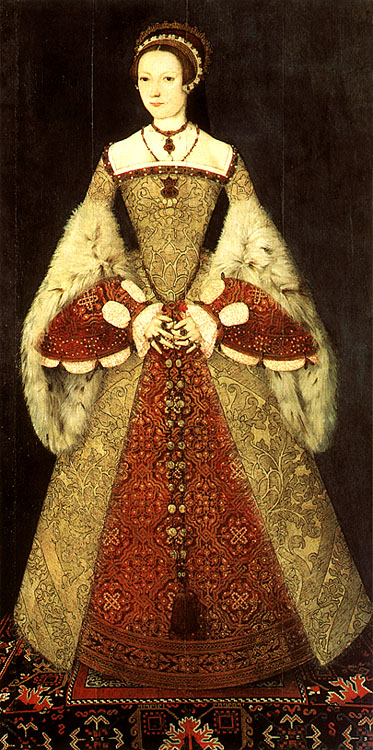
Do Now: Recall Shakespeare’s poems above and write a brief commentary on the portrayal of women in the Renaissance. You can look at the images and think about whether they seem idealized or realistic.
How does the portrayal of women in the paintings of the period compare with the portrayal of women today such as Tyra Banks, Lindsay Lohan, Queen Latifah, Jesse Randhawa, Marilyn Monroe, Jane Seymour?
Sonnet XVIII, Sonnet 29, 116, and 130 (audio)
Do Now: Recall Shakespeare’s poems above and write a brief commentary on the portrayal of women in the Renaissance. You can look at the images and think about whether they seem idealized or realistic.
How does the portrayal of women in the paintings of the period compare with the portrayal of women today such as Tyra Banks, Lindsay Lohan, Queen Latifah, Jesse Randhawa, Marilyn Monroe, Jane Seymour?
September 16,2008
Aim: How is the Shakespearean Sonnet different from the Petrarchan Sonnet
Do Now: How would you describe your approach to romance when compared to your friends?
Teacher Read Aloud: Elizabeth Barrett Browning’s Sonnet 43
XLIII. "How do I love thee? Let me count the ways..."by Elizabeth Barrett Browning (1806-1861)
How do I love thee? Let me count the ways.I love thee to the depth and breadth and heightMy soul can reach, when feeling out of sightFor the ends of Being and ideal Grace.I love thee to the level of everyday'sMost quiet need, by sun and candle-light.I love thee freely, as men strive for Right;I love thee purely, as they turn from Praise.I love thee with a passion put to useIn my old griefs, and with my childhood's faith.I love thee with a love I seemed to loseWith my lost saints, --- I love thee with the breath,Smiles, tears, of all my life! --- and, if God choose,I shall but love thee better after death.
Comprehension Check:
What question does the speaker of “Sonnet 43” prose and answer?
What is your impression of the romantic relationship described in this sonnet?
Do you think it is desirable to love or be loved in this way?
Literary Analysis:
What symbols are evident in this poem?
Critical thinking:
Do you think it is wrong to love some so intensely?
Share out!
Do Now: How would you describe your approach to romance when compared to your friends?
Teacher Read Aloud: Elizabeth Barrett Browning’s Sonnet 43
XLIII. "How do I love thee? Let me count the ways..."by Elizabeth Barrett Browning (1806-1861)
How do I love thee? Let me count the ways.I love thee to the depth and breadth and heightMy soul can reach, when feeling out of sightFor the ends of Being and ideal Grace.I love thee to the level of everyday'sMost quiet need, by sun and candle-light.I love thee freely, as men strive for Right;I love thee purely, as they turn from Praise.I love thee with a passion put to useIn my old griefs, and with my childhood's faith.I love thee with a love I seemed to loseWith my lost saints, --- I love thee with the breath,Smiles, tears, of all my life! --- and, if God choose,I shall but love thee better after death.
Comprehension Check:
What question does the speaker of “Sonnet 43” prose and answer?
What is your impression of the romantic relationship described in this sonnet?
Do you think it is desirable to love or be loved in this way?
Literary Analysis:
What symbols are evident in this poem?
Critical thinking:
Do you think it is wrong to love some so intensely?
Share out!
September 11-15,2008
Aim: Renaissance sonnets often focus on the great beauty of the beloved. How important is physical beauty or attractiveness in today’s society?
Do Now: What do you think makes you beautiful?
Procedures:
Teacher Read Aloud: Sonnet 130
Students will do the following
Write a brief paragraph on what you think is the meaning of the poem.
Think about two questions that you would like to discuss about this poem and write it in your journal/notebook.
Now pass your journals around your table and have your peers answer the questions.
Comprehension check:
Is the speaker’s mistress dark or fair?
Do the flaws pointed out by the speaker affect his love for the woman described?
Think Critically:
What do you think is the speaker’s attitude toward the woman he loves?
Think about: his descriptions of her physical characteristics, his descriptions of her voice, his conclusion in the couplet.
What do you think might have been Shakespeare’s purpose in writing this sonnet?
Does this poem present a realistic or idealized portrait of the beloved?
Mini Lesson:
Figurative Language is language that conveys meaning beyond the literal meanings of words. Similes and metaphors are types of figurative language. Simile uses the word like or as to make comparisons. A metaphor makes a comparison without using like or as.
Literary Analysis: find a simile and metaphor in Sonnet 130
Cooperative Learning: Day II Sept 12
Do Now: Students will start forming groups of 2-3 to create their ideal beauty
Select one of Shakespeare’s poem and let your readers know why this sonnet best represents your ideal male/female in 3 paragraphs.
Cooperative Learning: Day III Sept 15
Do Now: Students will form groups of 2-3 to create their ideal male/female. Then select one of Shakespeare’s poem and let your readers know why this sonnet best represents your ideal male/female in 3 paragraphs.
Do Now: What do you think makes you beautiful?
Procedures:
Teacher Read Aloud: Sonnet 130
Students will do the following
Write a brief paragraph on what you think is the meaning of the poem.
Think about two questions that you would like to discuss about this poem and write it in your journal/notebook.
Now pass your journals around your table and have your peers answer the questions.
Comprehension check:
Is the speaker’s mistress dark or fair?
Do the flaws pointed out by the speaker affect his love for the woman described?
Think Critically:
What do you think is the speaker’s attitude toward the woman he loves?
Think about: his descriptions of her physical characteristics, his descriptions of her voice, his conclusion in the couplet.
What do you think might have been Shakespeare’s purpose in writing this sonnet?
Does this poem present a realistic or idealized portrait of the beloved?
Mini Lesson:
Figurative Language is language that conveys meaning beyond the literal meanings of words. Similes and metaphors are types of figurative language. Simile uses the word like or as to make comparisons. A metaphor makes a comparison without using like or as.
Literary Analysis: find a simile and metaphor in Sonnet 130
Cooperative Learning: Day II Sept 12
Do Now: Students will start forming groups of 2-3 to create their ideal beauty
Select one of Shakespeare’s poem and let your readers know why this sonnet best represents your ideal male/female in 3 paragraphs.
Cooperative Learning: Day III Sept 15
Do Now: Students will form groups of 2-3 to create their ideal male/female. Then select one of Shakespeare’s poem and let your readers know why this sonnet best represents your ideal male/female in 3 paragraphs.
September 10,2008
Aim: How can Shakespeare’s sonnet 116 relates to our personal lives?
Do Now: Write about a time when a best friend’s personal flaws got in the way of your friendship. Or, have you ever stopped seeing/loving someone (friend, girlfriend, boyfriend, family, etc.) because of a personal flaw?
One of my friend, she is an arrogant and self centered person. she cant stay committed in a relationship and doesn't care much about the people around her. She thinks that she is the queen of the world and they should obey her. I stopped hanging with her because she had a way of making people feel bad about them self and see them self in a negative way.
Procedures:
Teacher Read Aloud: Sonnet 116
Students will do the following
Write a brief paragraph on what you think is the meaning of the poem.
The meaning of this poem is that true love is real. It doesn't matter what you look like or how you behave. Love is love. It can stand up to any test and withstand storms. But sometimes when love is not love. Its not real and it cant stand up to anything.
Think about two questions that you would like to discuss about this poem and write it in your journal/notebook.
Now pass your journals around your table and have your peers answer the questions.
Cooperative Learning:
Thematic: What is the overall Theme of this sonnet? Cite supporting lines from the sonnet
Literary Analysis: Look carefully at lines 5-8 notice any metaphors?
Think About: What kind of person might the speaker be? The likely age of such a person. The experiences that such a person might have had.
Do you think the speaker’s concept of love is realistic? Why or Why not?
Connect: What is the ONE flaw that could turn you away from a person? What do you think you can do to overlook this flaw (if you are willing)?
Mechanics: Scan this sonnet -----/-----/ with stress and unstressed
Vocabulary:
Line 2-impediments: obstacles. The traditional marriage service reads in part, “If any of you know just cause or just impediment why these persons should not be joined together…”
Line 5- mark: seamark—a landmark that can be seen from the sea and used as a guide in navigation
Line 7- bark: sailing ship
Line 8- whose ….height be taken: a reference to the star, whose value is measureless even though its altitude is measured by navigation
Line 10- within…compass: within the range of his curving sickle (what’s a sickle?)
Line 12- bears it out: endures; doom: Doomsday; Judgment Day
Share out!
Hope you had fun today!
Do Now: Write about a time when a best friend’s personal flaws got in the way of your friendship. Or, have you ever stopped seeing/loving someone (friend, girlfriend, boyfriend, family, etc.) because of a personal flaw?
One of my friend, she is an arrogant and self centered person. she cant stay committed in a relationship and doesn't care much about the people around her. She thinks that she is the queen of the world and they should obey her. I stopped hanging with her because she had a way of making people feel bad about them self and see them self in a negative way.
Procedures:
Teacher Read Aloud: Sonnet 116
Students will do the following
Write a brief paragraph on what you think is the meaning of the poem.
The meaning of this poem is that true love is real. It doesn't matter what you look like or how you behave. Love is love. It can stand up to any test and withstand storms. But sometimes when love is not love. Its not real and it cant stand up to anything.
Think about two questions that you would like to discuss about this poem and write it in your journal/notebook.
Now pass your journals around your table and have your peers answer the questions.
Cooperative Learning:
Thematic: What is the overall Theme of this sonnet? Cite supporting lines from the sonnet
Literary Analysis: Look carefully at lines 5-8 notice any metaphors?
Think About: What kind of person might the speaker be? The likely age of such a person. The experiences that such a person might have had.
Do you think the speaker’s concept of love is realistic? Why or Why not?
Connect: What is the ONE flaw that could turn you away from a person? What do you think you can do to overlook this flaw (if you are willing)?
Mechanics: Scan this sonnet -----/-----/ with stress and unstressed
Vocabulary:
Line 2-impediments: obstacles. The traditional marriage service reads in part, “If any of you know just cause or just impediment why these persons should not be joined together…”
Line 5- mark: seamark—a landmark that can be seen from the sea and used as a guide in navigation
Line 7- bark: sailing ship
Line 8- whose ….height be taken: a reference to the star, whose value is measureless even though its altitude is measured by navigation
Line 10- within…compass: within the range of his curving sickle (what’s a sickle?)
Line 12- bears it out: endures; doom: Doomsday; Judgment Day
Share out!
Hope you had fun today!
September 8-9,2008
Do Now: What are the two most important things that you know about Shakespeare and the period?
Mini Lesson: What additionally makes up a Shakespearean Sonnet?
Iambic Pentameter
Rhyme Scheme
Analyze and identify a Shakespearean Sonnet
Read Sonnet 29 print out the poem or copy and paste it in a word document, then illustrate/write the rhyme scheme at the end of each line.
Write a brief paragraph on what you think is the meaning of the poem.
This poem is about a men who doesn't have anything in life. No money, No status in the society or Good looks He prays to god for a better life but he isn't getting anything. He wants what other people have. He isn't happy with what he has because he doesn't really have anything or so he thinks until he realizes that he has something precious-the love of his sweetheart and that makes him realize that he would replace his life with anyone's even the kings.
Think about two questions that you would like to discuss about this poem and write it in your journal/notebook.
Why does he want what other have?
Is love so great that it can bring people out of depression?
Now pass your journals around your table and have your peers answer the questions.
Cooperative Learning:
Thematic Question:
What is the overall theme of this sonnet? Cite supporting lines from the sonnet
The theme of this poem is his revelation of his life and even though his life is unpleasant he realizes that even though he doesn't have what other has, He still has the love of his life.
Is this a Love Poem or Self Pity Poem? Cite supporting lines from the sonnet
Its both, in the beginning the whole poem express self pity but at the end its love.
Compare & Contrast:
How is this sonnet different from Sonnet 18?
This poem is about a person who dislikes his life and sonnet 18 about a guys who is describing the love he has for his beloved.
Analytical Question:
What changes the speaker’s mood? What do you think are the speaker’s strongest feelings in this sonnet?
When he talks about how he wouldn't trade his life for the life of a king.
Literary Analysis:
What literary techniques/devices are evident in Sonnet 29?
Rhyme, alliteration, methaphor, setting imagery etc.
Share out!
Mini Lesson: What additionally makes up a Shakespearean Sonnet?
Iambic Pentameter
Rhyme Scheme
Analyze and identify a Shakespearean Sonnet
Read Sonnet 29 print out the poem or copy and paste it in a word document, then illustrate/write the rhyme scheme at the end of each line.
Write a brief paragraph on what you think is the meaning of the poem.
This poem is about a men who doesn't have anything in life. No money, No status in the society or Good looks He prays to god for a better life but he isn't getting anything. He wants what other people have. He isn't happy with what he has because he doesn't really have anything or so he thinks until he realizes that he has something precious-the love of his sweetheart and that makes him realize that he would replace his life with anyone's even the kings.
Think about two questions that you would like to discuss about this poem and write it in your journal/notebook.
Why does he want what other have?
Is love so great that it can bring people out of depression?
Now pass your journals around your table and have your peers answer the questions.
Cooperative Learning:
Thematic Question:
What is the overall theme of this sonnet? Cite supporting lines from the sonnet
The theme of this poem is his revelation of his life and even though his life is unpleasant he realizes that even though he doesn't have what other has, He still has the love of his life.
Is this a Love Poem or Self Pity Poem? Cite supporting lines from the sonnet
Its both, in the beginning the whole poem express self pity but at the end its love.
Compare & Contrast:
How is this sonnet different from Sonnet 18?
This poem is about a person who dislikes his life and sonnet 18 about a guys who is describing the love he has for his beloved.
Analytical Question:
What changes the speaker’s mood? What do you think are the speaker’s strongest feelings in this sonnet?
When he talks about how he wouldn't trade his life for the life of a king.
Literary Analysis:
What literary techniques/devices are evident in Sonnet 29?
Rhyme, alliteration, methaphor, setting imagery etc.
Share out!
Friday, September 19, 2008
September 4-5, 2008
Aim: Who likes Shakespeare why or why not?
Procedure: Teacher will give students handout and read aloud Sonnet 18.
Do Now: Students will read along and annotate.
Answer the following questions on the handout.
Comprehension Check:
What is being described in the sonnet?
Beauty
Identify literary techniques or devices?
Rhyme, repetition, personification, imagery, alliteration, setting, metaphor.
What is the rhyme scheme of the sonnet? Indicate the rhyme scheme at the end of each line.
ABABCDCDEFEFGG
How many lines are in this sonnet?
14
Critical thinking:
What is this sonnet about?
This sonnet is about how beauty of an individual will not fade because its captured in this poem.
What is the theme of this sonnet?
The theme is that beauty can be preserved
Paraphrase the sonnet line by line as you would to a friend. You can paraphrase it using slangs, spanglish, abbreviated spellings etc.
you are as hot as summer days
you are beautiful and constant
the wind shakes the bud of may
summer is too short
the sun is really hot
the sun is blocked by the clouds
beautiful things will lose their beauty
its a natural process
you will always be beautiful to me
you will not lose your beauty
death cant take you
you will live forever
as long as people are living
as long as this poems exists making u immortal
Turn in your work at the end of today’s class for discussion tomorrow.
Students can use dictionaries to find the definitions of words or talk in their small groups. Or Feel free too ask the teacher to re-read it aloud to you.
Homework:
Research the following on William Shakespeare, note it in your notebooks, and remember to cite your sources:
Birth: 1564
Birthplace: Stratford-upon-Avon
Education: King Edward VI School Stratford-upon-Avon
Died: 23 April 1616
Research the Elizabethan Period: What was going on during that period. Highlight what you think the main points are of the period.What are his famous works or most famous work?
Elizabeth era. Romeo and Juliet, Othello, Macbeth.
Procedure: Teacher will give students handout and read aloud Sonnet 18.
Do Now: Students will read along and annotate.
Answer the following questions on the handout.
Comprehension Check:
What is being described in the sonnet?
Beauty
Identify literary techniques or devices?
Rhyme, repetition, personification, imagery, alliteration, setting, metaphor.
What is the rhyme scheme of the sonnet? Indicate the rhyme scheme at the end of each line.
ABABCDCDEFEFGG
How many lines are in this sonnet?
14
Critical thinking:
What is this sonnet about?
This sonnet is about how beauty of an individual will not fade because its captured in this poem.
What is the theme of this sonnet?
The theme is that beauty can be preserved
Paraphrase the sonnet line by line as you would to a friend. You can paraphrase it using slangs, spanglish, abbreviated spellings etc.
you are as hot as summer days
you are beautiful and constant
the wind shakes the bud of may
summer is too short
the sun is really hot
the sun is blocked by the clouds
beautiful things will lose their beauty
its a natural process
you will always be beautiful to me
you will not lose your beauty
death cant take you
you will live forever
as long as people are living
as long as this poems exists making u immortal
Turn in your work at the end of today’s class for discussion tomorrow.
Students can use dictionaries to find the definitions of words or talk in their small groups. Or Feel free too ask the teacher to re-read it aloud to you.
Homework:
Research the following on William Shakespeare, note it in your notebooks, and remember to cite your sources:
Birth: 1564
Birthplace: Stratford-upon-Avon
Education: King Edward VI School Stratford-upon-Avon
Died: 23 April 1616
Research the Elizabethan Period: What was going on during that period. Highlight what you think the main points are of the period.What are his famous works or most famous work?
Elizabeth era. Romeo and Juliet, Othello, Macbeth.
Subscribe to:
Comments (Atom)